
Air Jordan 4 Retro: Why Sneaker Collectors Keep Coming Back
The Air Jordan 4 Retro stands as one of the most revered silhouettes in sneaker history, capturing notice from collectors and casual enthusiasts alike. First launched in 1989, the AJ4 was created by the famed Tinker Hatfield and became the first Jordan sneaker to gain substantial worldwide acclaim. After more than three decades, the silhouette keeps managing to lead secondary markets, with some colorways pulling in amounts that exceed $2,000 on platforms like StockX and GOAT. A combination of timeless design details, restricted manufacturing runs, and powerful cultural links to Michael Jordan’s history generates an unrelenting demand cycle. In 2026, the Air Jordan 4 Retro remains a centerpiece of any genuine shoe collection. Grasping why this specific silhouette holds such durable influence necessitates a careful look at its design heritage, cultural footprint, and resale performance.
The Design That Changed Sneaker History
Tinker Hatfield gathered influence from military and utility aesthetics when designing the Air Jordan 4, a break from the smoother lines of its previous iterations. The silhouette featured visible Air units in the heel, mesh inserts on the top portion for ventilation, and signature molded wing eyelets that became the model’s trademark feature. These creative decisions were revolutionary in official website 1989, merging on-court basketball engineering with off-court aesthetics in a way no shoe had done before. The midsole employs a polyurethane compound that offers outstanding impact protection when measured against conventional EVA foam, giving the sneaker authentic on-court functionality paired with its visual allure. The rubber bottom sole with a herringbone pattern gives all-direction traction control that proves solid even by modern benchmarks. Every detail of the Jordan 4’s craftsmanship serves a dual role — athletics and aesthetics — which is exactly why the sneaker has stood the test of time so remarkably over 37 years.
The Colorways That Drive the Market
Far from all Air Jordan 4 Retro drops hold equal weight in the resale marketplace, and knowing the pecking order of colorways is critical for any dedicated shoe enthusiast. The “Bred” edition is generally viewed as the benchmark version, with brand-new pairs from OG drops going for over $1,500 on secondary market sites. The “White Cement” colorway, iconically rocked by Michael Jordan during the 1989 NBA All-Star Game Dunk Contest, reliably sits among the top five most wanted Jordans of all time. Off-White collaborations with designer Virgil Abloh pushed the Jordan 4 into the premium fashion territory, with the “Sail” colorway achieving mean resale prices above $2,200. Limited regional exclusives from brands like Union LA have further grown the colorway ecosystem, forming sub-markets within the overall Jordan 4 market. Each colorway recounts a unique chapter of the shoe’s saga, and seasoned collectors follow launch dates religiously to grab shoes at original price before premiums climb.
| Colorway | Original Release | Mean Resale Price (2026) | Rarity Tier |
|---|---|---|---|
| Bred (Black Cement) | 1989 | $450–$1,500 | Grail |
| White Cement | 1989 | $380–$1,200 | Grail |
| Off-White “Sail” | 2020 | $1,800–$2,500 | Ultra Grail |
| Military Blue | 1989 | $250–$400 | High |
| Fire Red | 1989 | $220–$380 | High |
| Union LA “Guava Ice” | 2020 | $800–$1,100 | Grail |
Cultural Significance Outside of the Court
The Air Jordan 4’s cultural reach extends far beyond the basketball court, weaving itself into film, music, and the fashion world in a manner rarely seen with athletic footwear. Spike Lee’s unforgettable character Mars Blackmon reinforced Jordan Brand’s connection to rap culture, and the AJ4 showed up memorably in the 1989 film “Do the Right Thing,” giving the shoe cinematic immortality. Travis Scott’s sustained creative partnership with Jordan Brand, which includes numerous AJ4 drops, has presented the shoe to an entirely new cohort of fans who possibly never witnessed Michael Jordan compete. The model has been name-dropped in numerous rap hits, from Nas to Drake, confirming its place as a cultural icon that surpasses sports shoes. Luxury fashion houses have drawn inspiration from the AJ4’s bold midsole and industrial details, impacting broader trends in luxury sneaker design at labels like Balenciaga and Bottega Veneta. In streetwear communities, wearing a hard-to-find pair of Jordan 4s broadcasts insider status that few other sneakers can replicate.
The Resale Dynamics and Financial Potential
The sneaker resale market has grown into a multi-billion-dollar market, and Air Jordan 4 Retros regularly rank among the most profitable investments a enthusiast can make. Based on data from StockX, Jordan 4 releases have posted a 65% price increase over MSRP within the first 12 months of release over the previous five years. Limited releases commonly sell out within a matter of minutes on the SNKRS app, with some drops seeing over 500,000 entries for less than 50,000 available pairs. Nike purposefully controls manufacturing runs on heritage releases to protect limited availability and brand reputation. Sizing distribution matter significantly — men’s sizes 9 through 11 pull the top price premiums due to heavy buyer activity, while extreme sizes trade at slight discounts. Sneakerheads who buy at retail ($210–$225 for base releases in 2026) and keep for 12 to 18 months can practically expect returns that top many standard investment options.
Authentication and Quality Grading
As resale values climb, the counterfeit trade for Air Jordan 4 Retros has become ever more refined, making legit checking a essential competency for enthusiasts in 2026. Counterfeit factories now create counterfeits that can fool inexperienced buyers, replicating materials, stitching patterns, and even product packaging with alarming exactness. Specialized verification services from services like GOAT and CheckCheck rely on a mix of AI image analysis and trained human review to verify genuineness. Critical authentication markers on the AJ4 comprise the fineness of the mesh on the side sections, the clarity of the Jumpman symbol on the heel pull, and the uniformity of the midsole paint job. Assessing condition assumes a key function in influencing value — a pair assessed as “deadstock” will earn a 40% to 80% price increase over a pair graded “very near deadstock.” Oxidation of the midsole can cut the market value of older releases by 20% to 35%, making appropriate storage in controlled storage conditions indispensable.
Building a Jordan 4 Collection in 2026
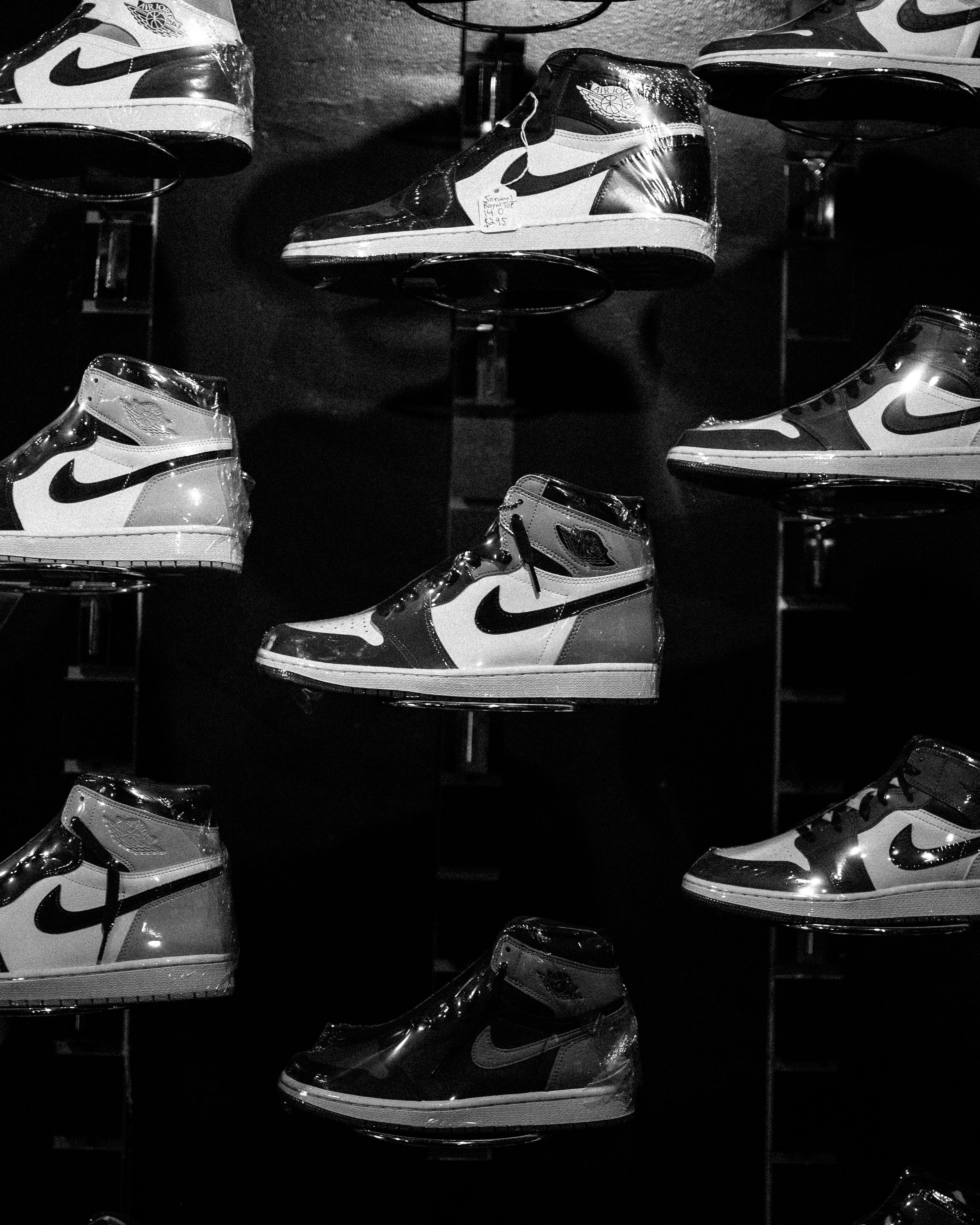
For sneakerheads breaking into the Jordan 4 market in 2026, a thoughtful game plan can deliver both personal satisfaction and strong financial gains without demanding an substantial starting budget. Opening with GR pairs at retail price develops basic expertise of the silhouette’s fabrics, fit, and craftsmanship before spending on pricier restricted releases. Following Nike’s SNKRS app, watching reliable leak accounts on social media, and signing up for local sneaker networks can deliver advance information on future releases. The mid-priced range between $250 and $500 provides exceptional bang for your buck — releases like “Military Blue” provide notable street cred without sky-high costs. Patience is possibly the most effective asset, as prices on some editions decrease 10% to 15% after opening buzz before plateauing. Collecting across multiple eras forms a balanced portfolio that tells the entire narrative of the Air Jordan 4.
Concluding Reflections on the Air Jordan 4 Retro History
Persisting as a must-have, the Air Jordan 4 Retro rests at the precise crossroads of design innovation, cultural weight, and production scarcity. Tinker Hatfield designed a model in 1989 that outlasted its era, and Nike has brilliantly guided its history through well-timed retro releases and high-profile joint projects. Whether you are captivated by the AJ4 for its investment potential, its rich history in basketball and rap culture, or purely because it looks stunning on foot, there is no denying the model’s one-of-a-kind place in sneaker culture. The demand remains relentless as the next generation come across the silhouette. In a market overloaded with fresh drops every seven days, the Air Jordan 4 Retro unfailingly cuts through the competition. If you have yet to have added a pair to your sneaker shelf, 2026 is as persuasive a time as any to get started.